Part I: Introduction and Background
30 minutes- Problem definitions and settings
- Key challenges
- Applications and use cases

DASFAA 2026 · April 27, 2026
Half day · Approximately 3 hours including short breaks
Modern recommender systems operate in uniquely dynamic settings: user interests, item pools, and popularity trends shift continuously, and models must adapt in real time without forgetting past preferences.
While existing tutorials on continual or lifelong learning cover broad machine learning domains such as vision and graphs, they do not address recommendation-specific demands—such as balancing stability and plasticity per user, handling cold-start items, and optimizing recommendation metrics under streaming feedback.
This tutorial aims to make a timely contribution by filling that gap. We begin by reviewing the background and problem settings, followed by a comprehensive overview of existing approaches. We then highlight recent efforts to apply continual learning to practical deployment environments, such as resource-constrained systems and sequential interaction settings.
Finally, we discuss open challenges and future research directions. We expect this tutorial to benefit researchers and practitioners in recommender systems, data mining, AI, and information retrieval across academia and industry.
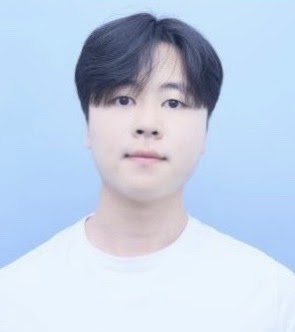
Seunghan Lee is a first-year Master’s student in the Department of Computer Science and Engineering at Korea University. His research focuses on learning from heterogeneous information in recommender systems, encompassing multi-modal content and complex user behaviors, as well as continual recommender systems. His work has been published in major conferences, including CIKM.
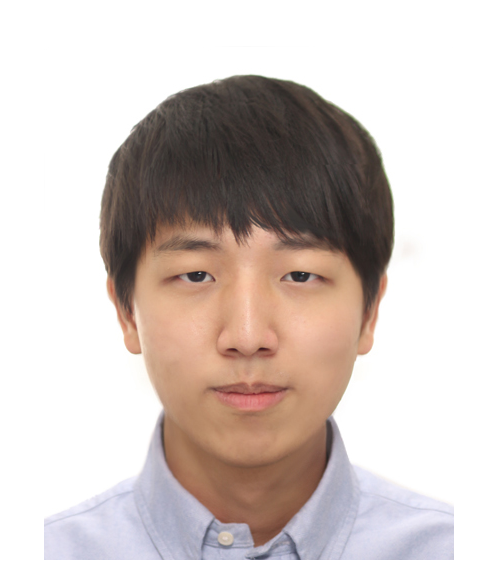
Seunghyun Baek is a first-year Master’s student in the Department of Computer Science and Engineering at Korea University. He has worked on designing a continually updated multi-stage pipeline for recommender systems. His research interests lie in LLM-based recommendation systems and continual learning for recommendation.
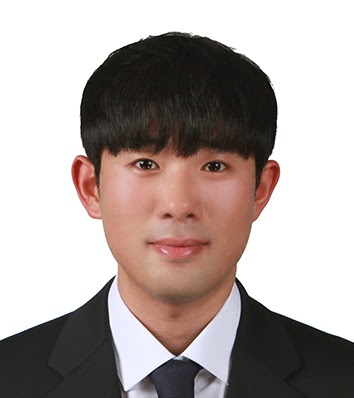
Dojun Hwang is currently a final-year B.S. student in the Department of Computer Science and Engineering at Korea University. He has worked on designing recommender systems, especially large language models as a re-ranker. His research interests are large language models for recommendation and information retrieval.
Hyunsik Yoo is a fourth-year Ph.D. student in the Siebel School of Computing and Data Science at the University of Illinois Urbana-Champaign. His research focuses on developing data mining and machine learning techniques for recommender systems and graph mining models that are adaptive, trustworthy, and user-inclusive.
His work has been published in major conferences, including KDD, SIGIR, TheWebConf, WSDM, and ICML. He has also served as a program committee member or reviewer for venues such as KDD, CIKM, TheWebConf Companion, AAAI, NeurIPS, DSAA, and TIST.
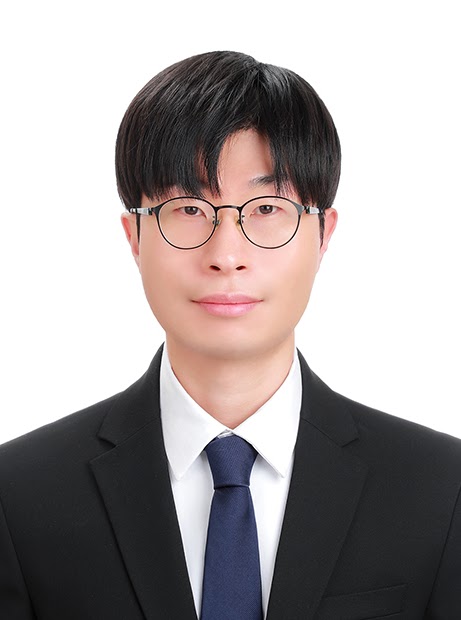
SeongKu Kang is an Assistant Professor in the Department of Computer Science and Engineering at Korea University. Prior to that, he was a postdoctoral researcher at the University of Illinois Urbana-Champaign. His research interests lie in data mining, recommender systems, and information retrieval.
He has published more than 30 papers in major conferences such as KDD, TheWebConf, CIKM, SIGIR, and EMNLP. He received the Stars of Tomorrow Award from Microsoft Research Asia in 2023, and his paper was selected as a Best Paper at WSDM 2025. He was also recognized as an outstanding reviewer at KDD.
This list includes the prior works covered in this tutorial.